

1) The court will limit how much time your case gets.
On average, judges provide strict time limits for hearings. For temporary orders, you can expect the court will provide each side a total of 20 mins/side to try the hearing. Its really important to answer succinctly and watch for your attorneys’ objections to keep things moving along so your attorney can make the most of the limited time provided. More administrative hearings can be shorter, around 10-15 minutes. Special set cases may be provided longer timeframes, such as 30-45 minutes/side. Trials are longer, usually anywhere from 2 hours per side to several days, depending on the case.


2) You will want to “fight” the other side.
The other side gets to ask you questions at court. In most cases, it’s common to feel the pressure when testifying. It is human nature to want to defend oneself when being asked a series of difficult questions. The key is to stay cool, calm, and collected and not engage with opposing counsel (or the other party) beyond offering short, succinct answers to questions. Your attorney can always “clean up” any testimony or ask a follow up where an explanation is needed. Don’t give the other side the opportunity to twist your words.
3) Other cases will be set at the same time.
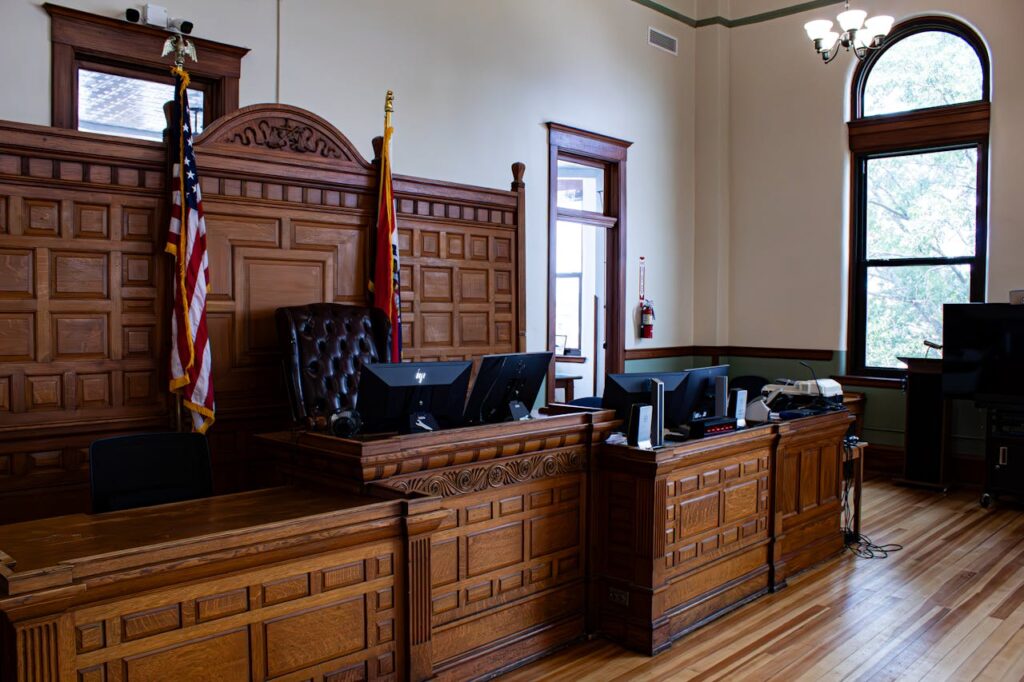
It is likely that the court will have other cases set at the same time other than in rare instances. When you arrive, let your attorney know and have a seat right outside the courtroom. The Judge will have the attorneys check in with the bailiff and then provide instructions on when your case will be heard. Honorable mention: arrive early (meaning, plan to be through security at least 20-30 minutes before your scheduled hearing time).
4) Keep it simple and tell the truth.
Your attorney will ask you questions – if it’s a yes or no question, don’t elaborate – your attorney will ask you follow up questions when needed. Less is more when it comes to court. Be truthful and concise. Pro tip: Your attorney will object when they can – listen to those objections and pause if you hear one- the judge or an attorney will instruct you if you have to answer once an objection is made.
5) Dress for court.
If you have a suit, wear it. Otherwise, slacks and a button down/tie are ideal. For ladies, wear a dress and cardigan or blazer, or slacks and a blouse.